
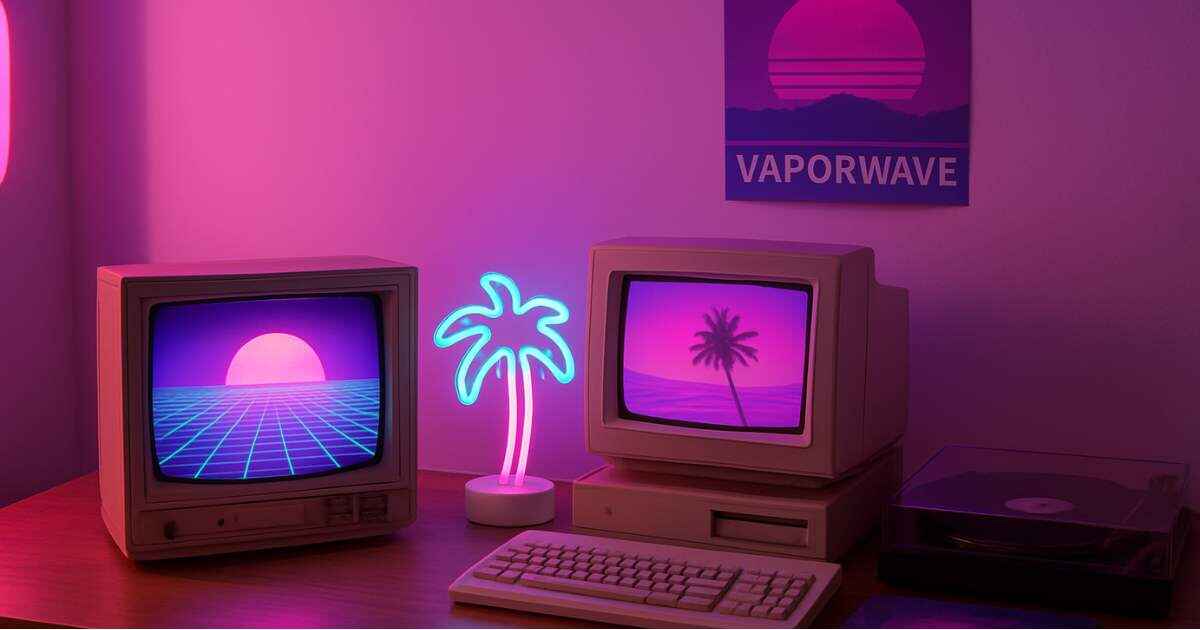
The vaporwave aesthetic is more than just a “look.” It mixes soft dreamy pictures, slow music, and old internet vibes. Imagine walking in a 1990s mall, but everything is pink, the music is slow, and the signs are in Japanese. That strange mix of old and new is what vaporwave feels like.
What Is the Vaporwave Aesthetic?
The vaporwave aesthetic is both art and music. It is also an internet trend that started more than 10 years ago. It mixes old pop culture from the 80s and 90s with a dreamy, computer-style look.
People say it feels like “a dream of the 80s and 90s seen through a computer.” The colors are soft pinks, blues, and bright neon lights. The music is slow and echo-like, as if it’s from an old tape left in the sun.
Vaporwave is not only about looks. It is a feeling — calm, strange, and sometimes a little sad. It mixes old technology like floppy disks and VHS tapes with ideas of a future that never really happened.
How Did Vaporwave Start?
Vaporwave started in the early 2010s on the internet. It came from experimental electronic music and love for old technology. One of the first big artists was Daniel Lopatin. In 2010, he made Chuck Person’s Eccojams Vol. 1, an album with small clips from pop songs slowed down to sound dreamy.
In 2011, Macintosh Plus released Floral Shoppe, an album that became the main sound of vaporwave. Its famous track, often called “Lisa Frank 420 / Modern Computing,” became popular on YouTube and inspired many others.
Vaporwave later became a visual style too. In the mid-2010s, sites like Tumblr, Reddit, and YouTube helped it grow. On Tumblr, people posted GIFs of Greek statues with neon lights. On YouTube, people added vaporwave music to old TV ads or shopping mall videos. By 2015, vaporwave had moved from small internet groups to wider attention.
Also Read: Ugandan Knuckles: The Internet Meme Everyone Was Talking About
The Visual Side of Vaporwave
Vaporwave is easy to spot because of its colorful and dreamy look. It feels like a mix of old videos and computer art from the past. Many people say it looks like the internet from the early days, mixed with bright neon lights.
Colors and Designs
Vaporwave loves soft pastel colors like pink, purple, and turquoise. You also see bright neon lights that make it look like a city at night.
The style often uses VHS tape grain and fuzzy effects to make it look old. Sometimes, the picture will have glitches, like a broken computer screen. Japanese text is also common, which adds to the mysterious, retro feel.
Common Images
In vaporwave art, you often see classical statues, old computers, and shopping malls. These objects give it a mix of high art and everyday life.
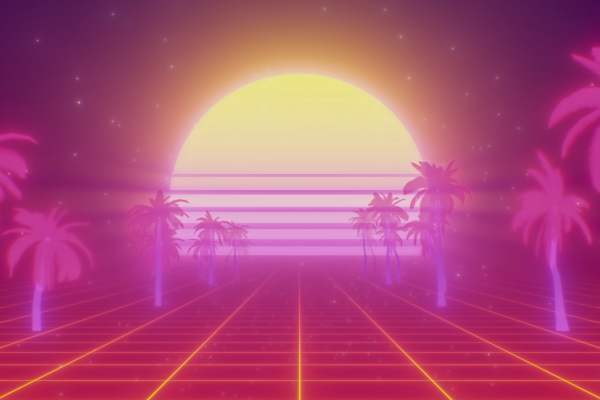
You might also see early internet graphics, tropical sunsets, and colorful 3D grids. All these images together create the dream-like feeling vaporwave is known for.
The Music Behind Vaporwave
Vaporwave is not just pictures — the music is just as important. The sound is slow, dreamy, and often feels like it’s from a different time.
How It Sounds
The music often comes from slowed-down pop, jazz, or even corporate background songs. The beat can be soft and relaxed, almost like background music in a store.
Many tracks use loops and echoes so the sound repeats and feels endless. It’s not meant to make you dance fast — it’s meant to make you drift into a calm mood.
Tools Used
Vaporwave artists use audio editing software to change and slow down songs. They often use digital audio workstations (DAWs) like Ableton Live, FL Studio, or Logic Pro.
They also use sequencers and samplers to cut and rearrange music. With these tools, they can turn an ordinary pop song into something that sounds new and strange.
You May Also Like: What Is MyPascoConnect? A Super Easy Guide Anyone Can Understand
Popular Types of Vaporwave
Vaporwave has many sub-genres, each with its own style and feeling.
Simpsonwave
Simpsonwave mixes clips from the cartoon The Simpsons with vaporwave music. The bright colors and slow music make it feel like a strange, dreamy version of the show.
Mallsoft
Mallsoft sounds like walking through an empty shopping mall. The music often has echoes, soft voices, and background sounds. It gives a lonely but calm feeling, as if the mall is stuck in time.
Future Funk
Future Funk is a faster and more upbeat kind of vaporwave. It mixes disco, funk, and Japanese pop music. The result is happy, danceable music with colorful, retro visuals.
Why People Love the Vaporwave Aesthetic
Vaporwave is loved because it feels both old and new at the same time. It brings back memories of the past, but also shows a future that never really happened. This mix gives people a strange but exciting feeling.
The colors and music are calm and dreamy, which makes it a nice break from the loud and fast world we live in now. Some vaporwave art can feel a little eerie, like something familiar but slightly out of place.
Many people enjoy it because it slows life down for a moment. Instead of fast cuts and bright ads, vaporwave gives you soft colors, slow music, and time to breathe.
How to Create Your Own Vaporwave Look
You can make your own vaporwave style at home. You just need some old music, simple art tools, and a love for retro designs.
Music
- Pick an old song you like — it could be pop, jazz, or even a TV commercial.
- Slow it down so it feels dreamy and relaxed.
- Add effects like echo and reverb to make the sound spacey.
- Use loops so parts of the song repeat again and again.
Many vaporwave creators use free tools like Audacity for sound editing. More advanced users might try Ableton Live or FL Studio for extra control.
Art
- Choose colors like pastel pink, purple, turquoise, and neon blue.
- Add textures that look like VHS tapes or old computer screens.
- Include retro graphics like floppy disks, Greek statues, or pixel art.
You can use free editing programs such as Photopea or GIMP to make images. These tools let you add grain, glitch effects, and bold text in Japanese or retro fonts.
Where to Find Vaporwave Online
Vaporwave is easy to find if you know where to look. Many people share it on YouTube. You can watch full playlists and live videos there. Bandcamp and SoundCloud are also good places to find new vaporwave music and small artists.
If you want pictures, try Instagram and Pinterest. Many pages post vaporwave art, phone wallpapers, and short clips. On TikTok, you can see short videos that mix vaporwave music with old video scenes or moving loops.
Is Vaporwave Still Popular?
Vaporwave started as a small online style. Now, it has grown and is seen in many places. It has changed fashion, music, and even brand designs. Some clothes have vaporwave-style pictures on shirts, hoodies, and posters.
In movies, you can see a similar style in Blade Runner 2049. It has the same bright colors and dreamy, future feeling. This style also shows up in music videos and ads. Vaporwave is not just for small online groups anymore — it is part of popular culture.
Frequently Asked Questions About the Vaporwave Aesthetic
Is vaporwave the same as synthwave?
No. Both have an old-style look, but they are different. Synthwave comes from 1980s action movies and games. It has fast and upbeat music. Vaporwave is slower and softer. It often uses music from old pop songs or company ads.
Can anyone make vaporwave music?
Yes. You don’t need expensive tools. You can use free programs like Audacity. You can slow down songs, add echo, and repeat sounds to make a vaporwave track. Many artists start with only a laptop and an idea.
Why does vaporwave use Japanese text?
Japanese letters make it look like the early internet. In the 80s and 90s, Japanese games, ads, and electronics were very popular. Using Japanese text gives a nostalgic, tech-like feeling.
Does vaporwave have a meaning or is it just art?
It can be both. Some people think it talks about consumer life and technology. Others just like the mood and style. There is no single meaning — it is up to the artist and the person who sees it.
Final Thoughts on the Vaporwave Aesthetic
Vaporwave mixes old memories with strange, dreamy art. It feels like a mix of past and future that never really happened.
Its soft colors, slow music, and mix of old and new make it special. You can enjoy it for the meaning or just for how it looks. Vaporwave invites you to watch, listen, and even make your own.
Disclaimer
This article is only for sharing fun and basic information. Vaporwave is a kind of art and music. The things we talk about here are just for ideas and learning. We are not telling people to buy or use any brand, product, or copyrighted work.

Joseph Quinn is a writer and digital creator best known as the founder of FreakBobTime. With years of blogging experience, he blends technology, culture, and internet humor into unique stories and creative experiments. Through his work, Joseph brings back the playful, weird side of the web while making content that connects with readers worldwide.
5 thoughts on “Vaporwave Aesthetic: A Simple Guide to Its Art and Music Style”
Comments are closed.