
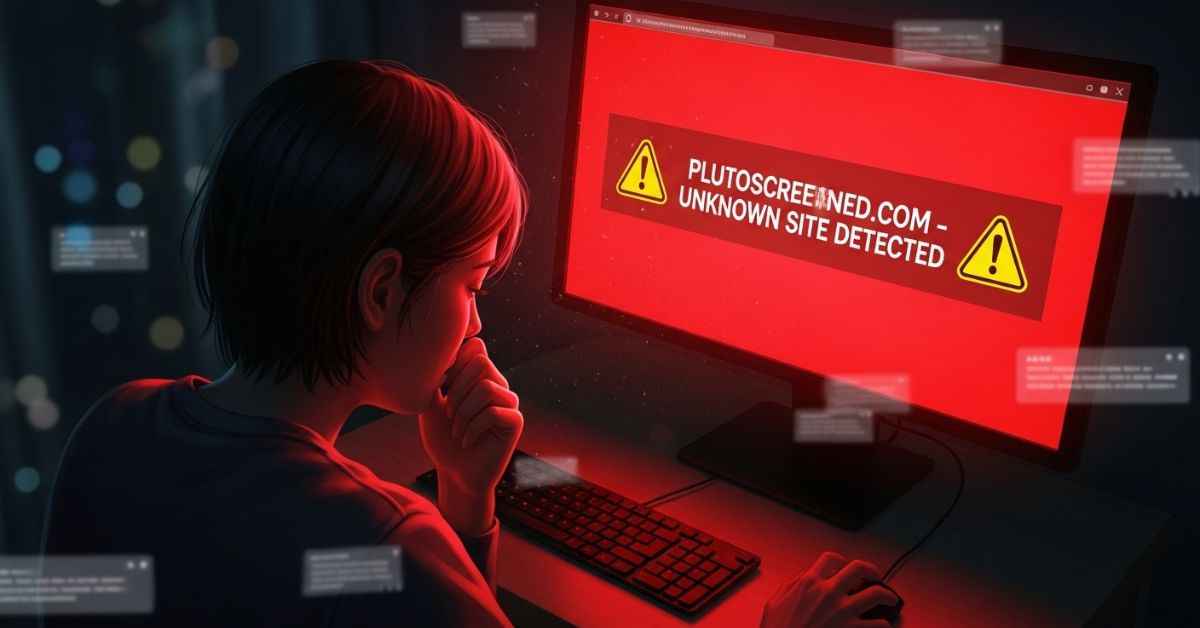
Finding a strange website in your browser history or a text message is stressful. You likely feel confused, worried, or even a bit angry. Many people recently noticed plutoscreened.com and immediately felt a sense of panic. Is this a safe place to enter data, or is it a hidden risk? You might be asking if your personal information is already in danger. I understand how overwhelming it feels when you cannot find clear answers. This guide will clear the fog and give you the peace of mind you deserve.
The Mystery of the Plutoscreened.com Ghost Domain
The biggest hurdle for most users is the total lack of public information. When you search for this site, you find almost nothing. This “zero footprint” is the primary reason people feel uneasy. Usually, a legitimate business has reviews, a social media trail, or a clear history. This site lacks all of those common signs of a public business. It acts like a private room with a locked door and no sign on the outside.
One major fear is that this site is part of a “phishing” attempt. Phishing is when a site tries to trick you into giving away passwords. I know the stress you feel when you think you clicked a bad link. You want to know if this site is a tool used by real companies or a trap. Because it is so quiet, the risk of it being a data collection site is higher than normal.
Why You Received a Plutoscreened.com Link in Your Inbox
You likely encountered this link in a text message or a work email. Many users report seeing it during a job application process. This is where the confusion turns into real frustration. You need a job, but you do not want to lose your identity. It feels like you are being forced to choose between a career move and your safety. I am here to help you navigate that choice with expert logic.
Most of the time, these obscure domains are used for specific background checks. Companies sometimes use “single-use” domains to host screening forms. This keeps their main website clean and free of heavy data traffic. However, this practice is very poor for building trust with people like you. It creates a gap in communication that makes everything look suspicious.
Is Your Personal Data Safe with Unknown Sites
Safety is the most important part of this puzzle. If you have not entered any data, you are likely in a good position. Simply visiting a site rarely causes a major breach on modern phones or computers. The real danger starts when you type in a Social Security number or a password. If the site asked for these things without a clear “About Us” page, that is a red flag.
- Look for the Padlock icon in your browser bar.
- Verify the registration date using a search tool.
- Check the sender’s email address for any small misspellings.
- Confirm the request with a person you know and trust.
If the site was registered just a few days ago, proceed with extreme caution. Scammers often buy names, use them for a week, and then throw them away. This makes it hard for authorities to catch them. A site that has been around for years is much more likely to be a real tool.
Solving the Identity Crisis of Obscure Names
The name itself is a clue to what the site might do. “Screened” suggests some form of evaluation or background check. “Pluto” could be a brand name or just a random word chosen for the URL. Together, they sound like a corporate screening portal. But without a logo or a company name, it remains a “secret” site. This lack of branding is a classic sign of a private internal tool.
If a real company is using this, they are failing to show they are experts. They are not showing you who they are or why you should trust them. This is a common trend among tech startups that prioritize speed over user comfort. They build a form, put it on a cheap domain, and send it out. They forget that humans on the other end feel scared of unknown links.
Red Flags to Watch for on Private Portals
I want to give you a checklist to use whenever you find a site like this. These signs will help you decide if you should stay or go.
- No Privacy Policy: Every real site must tell you how they use your data.
- No Contact Info: You should see a phone number or a physical address.
- Poor Graphics: If the logo is blurry or missing, it is a bad sign.
- Unusual Requests: Be wary if they ask for money to “process” your application.
- Time Pressure: Scammers often tell you that you must act in the next hour.
If you see more than two of these signs, stop what you are doing. No job or offer is worth losing your financial safety. A real business will understand if you want to verify their identity first.
Understanding the Risks of Data Collection
Data is the new gold in the digital world. Even if a site is not “stealing” your money, it might be “harvesting” your info. Harvesting is when a site collects your name, email, and phone number to sell to advertisers. This leads to a flood of spam calls and junk emails that never seem to stop. I know how annoying it is to have your phone ringing all day with fake offers.
To avoid this, you can use a “burner” email address for your first visit. This keeps your main inbox safe while you check if the site is real. If the site starts sending you strange links, you can just delete that burner email. This is a smart way to protect your digital life while still exploring new opportunities.
Why Companies Use These Obscure Domains
You might wonder why a company wouldn’t just use their own website. Often, it is about keeping “human resources” data separate from “sales” data. They don’t want an applicant’s social security number sitting on the same server as a customer’s shopping cart. Using a site like plutoscreened.com keeps the data in a separate “bucket.”
While this separation is good for security, it is bad for transparency. The company should always tell you, “You will be redirected to our partner site.” If they don’t give you this warning, it feels like you are being pushed into a trap. Better companies will even put their own logo on the top of the screening page to make you feel safe.
Protecting Your Identity After a Visit
If you already visited the site and feel unsure, there are steps to take. First, clear your browser’s “cookies” and “cache.” This removes any tracking bits the site might have left behind. Second, watch your accounts for any strange activity over the next few weeks. Most data leaks don’t happen instantly; they take time to show up.
You can also use a credit monitoring service. These services tell you if someone tries to open a new account in your name. It is a great “safety net” to have, especially if you apply for many jobs online. Being proactive is the best way to stop a small problem from becoming a big one.
Expert Tips for Safer Web Browsing
I want to help you stay safe on every site, not just this one. Use a password manager to create unique codes for every page. This way, if one site is bad, your other accounts stay safe. Also, turn on “two-factor authentication” whenever you can. This requires a code from your phone to log in, which stops most hackers.
- Use a VPN to hide your location when visiting unknown links.
- Keep your browser updated to the latest version.
- Avoid clicking links in texts from numbers you do not know.
- Use a search engine that respects your privacy.

These simple habits will make you a much harder target. The more you know about how the web works, the less power these “secret” sites have over you. You are the boss of your own data.
You May Also Like: Start Nixcoders.org Blog Today: Secrets Experts Don’t Reveal
Final Summary of Your Digital Safety
You now have the full picture of the secrets behind this domain. We have seen that it is likely a private tool with poor communication habits. We have explored why it is hidden from public view and how that makes you feel. By understanding the trends in the screening industry, you can see why such sites exist. Most importantly, you now have the tools to protect yourself and your data.
You can move forward with confidence and a clear head. Your safety is worth more than any mysterious link. Stay smart, stay safe, and keep asking the right questions. By staying alert, you ensure your personal information remains under your control.
FAQs About Using Unknown Screening Sites
Is it safe to click a link to the plutoscreened.com site?
Clicking is usually safe on a modern phone with updated software. The risk starts when you enter personal data or download files from that site. Always check the URL for signs of a scam before typing any information.
Why would a real employer use a site I can’t find on Google?
Employers often use third-party tools to handle background checks and drug tests. These tools are hosted on separate domains to keep data organized and private. However, they should always tell you the name of the tool beforehand.
How can I tell if a screening portal is a scam?
Look for a lack of contact information or a missing privacy policy. If the site asks for payment to “start” a job, it is almost certainly a scam. Legitimate employers pay for the screening process, not the applicant.
What should I do if I already gave my info to a strange site?
Change your passwords for your email and banking accounts immediately. Monitor your credit report for any new accounts you did not open yourself. You can also place a “fraud alert” on your credit file for extra safety.
Can I refuse to use a screening site that looks suspicious?
Yes, you have the right to ask for a different way to submit your info. Tell the employer you are worried about the site’s security and offer a safer option. A good employer will value your concern for data privacy.
Disclaimer:
The information provided on this blog regarding plutoscreened.com is for general informational and educational purposes only. While we strive for accuracy, we make no warranties about the completeness or reliability of this content. Any action you take based on this information is strictly at your own risk. We are not liable for any losses or damages in connection with the use of our website or third-party links.

Joseph Quinn is a writer and digital creator best known as the founder of FreakBobTime. With years of blogging experience, he blends technology, culture, and internet humor into unique stories and creative experiments. Through his work, Joseph brings back the playful, weird side of the web while making content that connects with readers worldwide.