
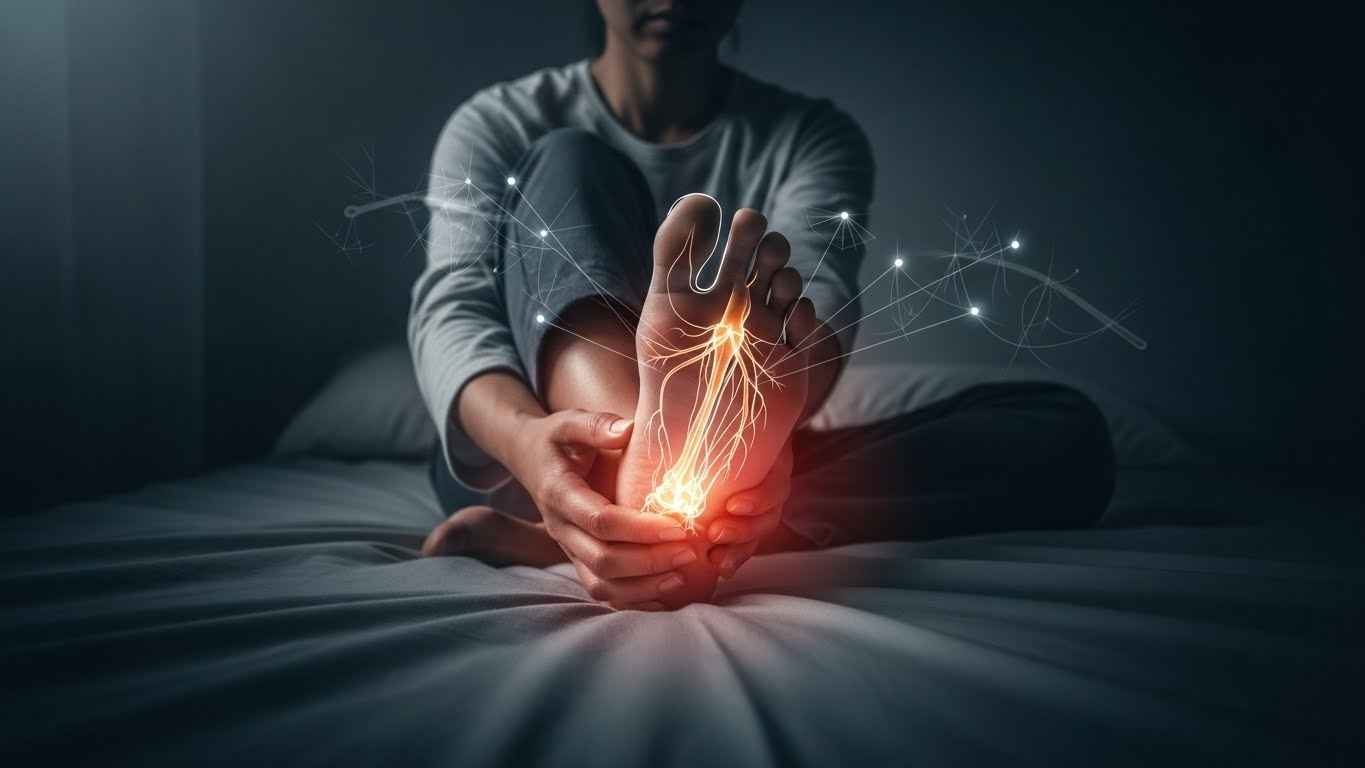
Finding out why your body hurts can feel like a long race with no finish line. You might wake up with a strange ache or a sharp pain that was not there yesterday. When you search for answers, you often find confusing words that do not seem to help. If you are worried about a condition like pavatalgia disease, you likely feel frustrated by the lack of clear details. It is scary when you have “ouchies” in your feet or hands and do not know why. You deserve to feel understood and to find a path toward relief that actually makes sense.
Many people struggle with “ghost pains” that doctors cannot always name right away. This can make you feel lonely, as if the pain is only in your head. But your pain is real, and the stress of not having a name for it only makes the discomfort worse. In this guide, we will break down the mysteries of this condition. We will look at the signs your body is giving you and the steps you can take to feel like yourself again. Understanding the clues is the first big step to finding the answer and calming your fears.
Identifying the Earliest Signs of Nerve Distress
The term pavatalgia disease is often used to describe a specific type of nerve or foot discomfort. It usually starts small. You might notice a tiny tingle in your toes when you are sitting still. Over time, this tingle can turn into a burning sensation. This happens because the nerves in your extremities—your hands and feet—are sending the wrong signals to your brain. It is like a radio that is stuck between stations. Instead of clear music, you get a lot of static and noise.
One of the most hidden symptoms is a change in how your skin feels to the touch. Some people find that even a light bedsheet feels heavy or painful on their feet at night. This is a sign that your sensory system is on high alert. You might also notice that your feet feel very cold, even when the room is warm. This can be caused by changes in blood flow or nerve health. Watching for these small changes can help you talk to your doctor with more confidence.
Common Sensory Changes You Might Notice
When your body is dealing with this condition, your senses might act in strange ways. You may feel like you are wearing a thin sock even when your feet are bare. This is a common sensory trick that nerves play when they are under stress. Some people describe a feeling of walking on cotton balls or small pebbles. These signs show that the message from your feet to your brain is getting scrambled along the way.
You might also find that you have trouble feeling the temperature of water. For example, a warm bath might feel icy cold to your feet. Or, cool water might feel like it is burning your skin. These hidden symptoms are important clues for a medical expert. They show exactly which parts of the nerve pathway are struggling. Writing down these moments in a small notebook can help you track how often they happen.
How Physical Changes Show Up in the Body
While much of the pain happens inside, there are visible signs to look for on the outside. You should check your skin for changes in color. Sometimes the skin on the feet or hands might look a bit blue, purple, or very red. This often happens because the tiny blood vessels are reacting to the nerve signals. If your skin looks very shiny or feels tight, it could be a sign that the area is not getting enough nutrition from your blood.
Another thing to watch for is hair growth on your legs or arms. If hair stops growing in the place where you feel pain, it suggests the nerves are not supporting the skin properly. You might also see that your toenails or fingernails look different. They might become brittle or grow much slower than they used to. These are not just “beauty” issues. They are real health indicators that tell a story about what is happening deep inside your tissues.
Why Your Balance Might Feel Wobbly
Nerves do more than just feel pain; they also tell your brain where your feet are in space. When pavatalgia disease affects these nerves, you might feel a bit clumsy. You might trip over the edge of a rug more often than before. Or, you might feel like you are losing your balance when you close your eyes in the shower. This happens because your brain is not getting a clear “map” of where your feet are placed on the floor.
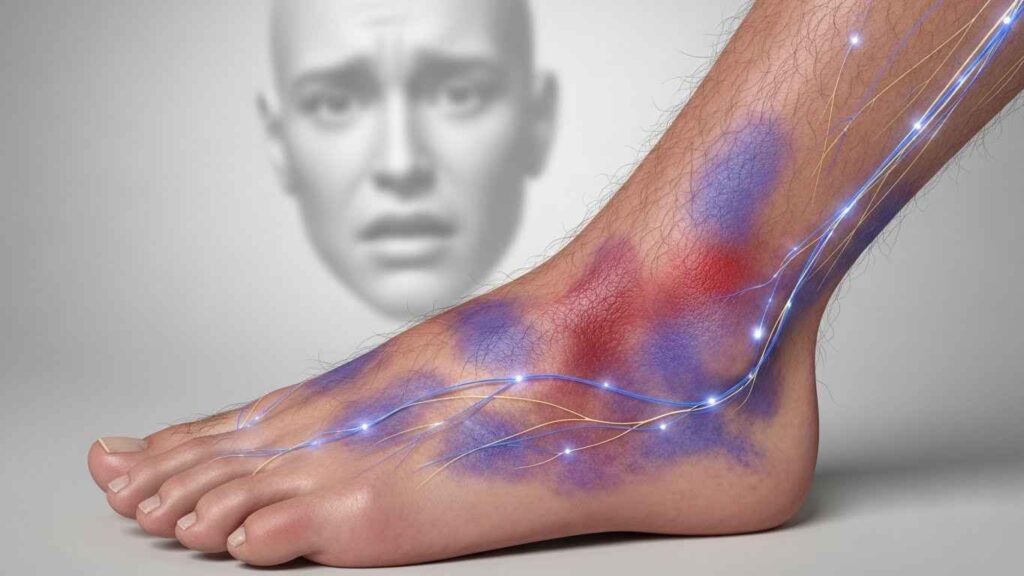
This lack of balance can lead to a fear of falling, which makes you move less. Moving less can then make your muscles weak, creating a cycle that is hard to break. To stay safe, you can use a nightlight in hallways so you can see your path clearly. You can also do simple exercises like standing on one leg while holding onto a sturdy chair. These small steps help your brain and body stay connected even when the nerves are grumpy.
The Relationship Between Weight and Foot Pressure
Your feet carry the weight of your entire body every single day. If you are carrying extra weight, it puts a lot of stress on the small structures in your feet. This pressure can squeeze the nerves and make pavatalgia symptoms feel much worse. It is like stepping on a garden hose; the more weight you put on it, the less water can flow through. Reducing that pressure can often bring a sense of immediate relief.
Even a small change in weight can make a big difference in how much your feet ache. You do not have to make huge changes all at once. Simply choosing water over soda or taking a short walk can start the process. When your feet have less weight to support, the nerves have more room to breathe. This can stop the sharp, stabbing pains from happening as often.
Choosing the Right Footwear for Support
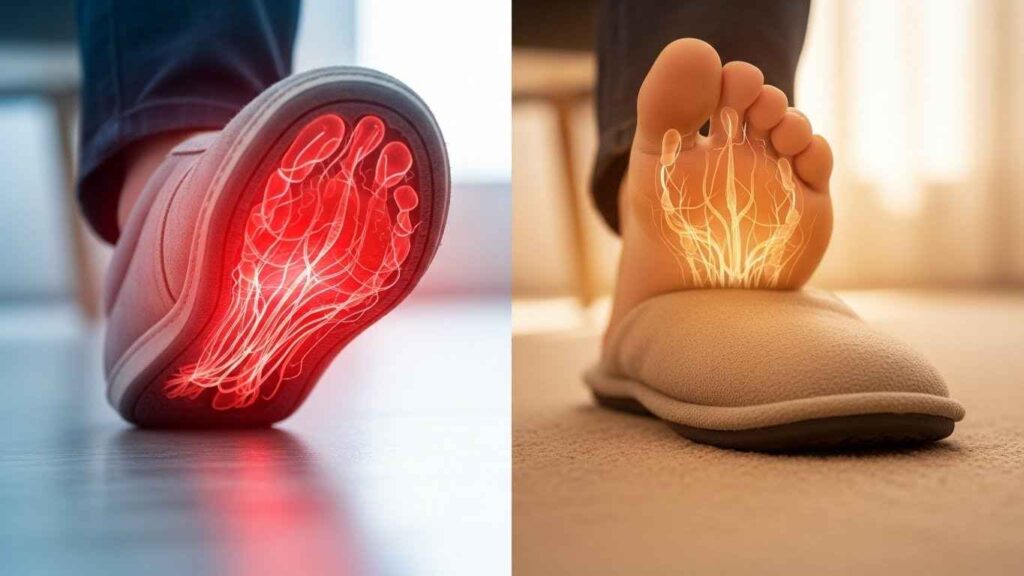
The shoes you wear are the most important tools for managing foot discomfort. Many people wear shoes that are too flat, like flip-flops or old sneakers. These shoes do not support the arch of your foot. When the arch collapses, it pulls on the nerves and tendons. This can lead to a “flare-up” of pain that lasts for days. Switching to a shoe with a firm sole and good cushion is like giving your feet a soft bed to rest on.
You should also look for shoes that have a wide “toe box.” This means your toes have plenty of room to wiggle and are not squeezed together. Squeezing the toes can pinch the nerves that run between the bones. If you are at home, try to avoid walking barefoot on hard floors like tile or wood. Wearing a supportive pair of slippers can keep your feet protected and comfortable all day long.
How Doctors Use Tests to Find Answers
When you see a healthcare provider, they will use a mix of tests to see what is wrong. They might start with a simple test using a vibrating tool called a tuning fork. If you cannot feel the vibration, it means the nerves that sense movement are not working well. They might also use a tiny piece of thin wire to touch different parts of your feet. This helps them find “numb spots” where you cannot feel a light touch.
In some cases, the doctor might ask for a test called an EMG. This test looks at the electrical activity in your muscles. It sounds scary, but it is just a way to see if the “electricity” in your body is flowing correctly. They might also check your blood for things like vitamin levels or sugar levels. Sometimes, a simple lack of a certain vitamin can make your nerves act up. Fixing that gap in your diet can be a very easy way to feel better.
The Impact of Daily Habits on Nerve Health
The things you do every day can either help or hurt your nerves. For example, sitting for a long time with your legs crossed can pinch nerves and slow down blood flow. It is better to sit with your feet flat on the floor or slightly raised. If you smoke, it can also hurt your nerves because smoking makes it hard for blood to reach the tiny parts of your hands and feet. Quitting can lead to much better nerve health over time.
Your sleep habits also matter a lot. Nerves do most of their healing while you are asleep. If you are not sleeping well because of the pain, your body cannot fix the damage. You can try using a “foot cradle” in your bed. This is a small frame that keeps the heavy blankets off your feet. This prevents the pressure that often causes burning pain in the middle of the night.
Understanding the Role of Inflammation
Inflammation is your body’s way of protecting itself, but too much of it causes pain. In pavatalgia disease, the area around the nerves can become swollen and red. This swelling presses on the nerve fibers and causes the sharp “electric” shocks you might feel. Eating a diet that is low in sugar and high in fruits and vegetables can help lower this swelling.
Foods like ginger, turmeric, and green tea are known to help calm inflammation. You can easily add these to your meals or drink them as a warm tea. On the flip side, deep-fried foods and very salty snacks can make the swelling worse. By choosing better foods, you are helping your body fight the pain from the inside out. It is a natural way to support your medical treatment.
Simple Stretches to Ease Your Discomfort
You do not need to be an athlete to benefit from stretching. Simple movements can help release the tension in your feet and legs. One easy stretch is to sit in a chair and use your toes to “scrub” a towel on the floor. This strengthens the small muscles in your feet. Another good one is to gently pull your toes back toward your shin with your hand. You should feel a nice stretch in the bottom of your foot.
These stretches should never feel painful. If they hurt, you are pulling too hard. The goal is to keep the tissues flexible so they do not press on your nerves. Doing these for just five minutes in the morning and five minutes before bed can make your feet feel much lighter. It helps clear out the “stiffness” that often builds up during the night.
The Connection Between Mind and Pain
How you think about your pain can actually change how much it hurts. When you are very stressed or sad, your brain turns up the “volume” on your pain signals. This does not mean the pain is not real. It just means your brain is on high alert. Learning how to relax through deep breathing or listening to calm music can help turn that volume back down.
Some people find that talking to a friend or a support group helps a lot. Sharing your struggles with others who have the same “ouchies” makes you feel less alone. It gives you new ideas for how to cope and keeps your spirits high. A happy mind helps the body heal much faster. You are stronger than your pain, and keeping a positive outlook is a big part of the journey.
Exploring Alternative Options for Relief
Beyond standard medicine, some people find relief in other ways. Acupuncture is a practice where very thin needles are used to help balance the body’s energy. Many people say it helps lower their nerve pain and helps them sleep better. Another option is massage therapy. A gentle massage can help move the fluid out of swollen areas and relax tight muscles.
You can also try using topical creams that you rub into your skin. Some of these creams contain natural ingredients like capsaicin, which comes from chili peppers. It sounds funny, but it can actually help “distract” the nerves from sending pain signals. Always talk to your doctor before trying a new cream or supplement to make sure it is safe for you.
Tracking Your Journey to Better Health
It is hard to see progress when you are hurting every day. This is why keeping a “pain diary” is so helpful. You can write down a number from 1 to 10 to show how much you hurt each morning and evening. You can also note what you ate or what shoes you wore. Over a few weeks, you might notice patterns. Maybe your feet hurt less on the days you went for a swim.
This information is like gold for your doctor. It helps them see what is working and what is not. It also helps you see the small wins. Seeing that your pain went from an 8 down to a 5 over a month is a great feeling. It shows that your hard work is paying off. You are moving closer to a life where pain does not run the show.
Creating a Support System for Success
You do not have to walk this path by yourself. Building a team of people who care about you is vital. This team can include your family, your doctor, and even your neighbors. Let them know when you are having a “high pain day” so they can help with chores or just sit and talk with you. Having help with the heavy lifting allows you to rest and heal.
It is also important to educate the people around you. Sometimes friends might not understand why you cannot go for a long walk or stand for a long time. Explaining how pavatalgia disease feels helps them be more patient and kind. When the people you love understand your hidden struggle, they can provide the emotional support you need to stay strong.
How to Talk to Your Doctor Effectively
When you go to the clinic, time is often short. You want to make the most of every minute. Before your visit, write down three main questions you want to ask. For example, you might ask, “Why does the pain get worse at night?” or “What kind of shoes are best for me?” Having your questions ready stops you from forgetting them when you are in the exam room.
Be honest with your doctor about how the pain affects your life. If you can no longer play with your grandkids or go to the store, tell them. This helps them understand the “human” side of the disease, not just the medical side. Together, you can create a plan that focuses on getting back to the things you love. Your voice is the most important part of the conversation.
You May Also Like: Is Qoghundos Harmful? Shocking Truth About Its Safety Revealed!
Finding Hope in Small Victories
Living with a condition like pavatalgia disease requires a lot of patience. There will be good days and bad days. The key is to celebrate the small victories. Maybe you walked to the mailbox without pain today. Or maybe you slept through the night for the first time in a week. These are big wins that show you are headed in the right direction.
Never give up hope that you can feel better. The human body is amazing at healing when it gets the right support. By learning about the hidden symptoms and taking action, you have already done something great for yourself. Keep going, stay positive, and remember that you deserve to live a life full of comfort and joy.
Frequently Asked Questions about Pavatalgia
What is the most common sign of pavatalgia disease?
The most common sign is a sharp or burning pain in the feet or hands. Many people also feel a “pins and needles” sensation that gets worse when they are trying to sleep or rest after a long day. This happens because the nerves are highly sensitive during periods of inactivity.
Can I fix this pain without surgery?
Yes, many people find relief through lifestyle changes. This includes wearing better shoes, doing gentle stretches, and eating healthy foods. Using supportive inserts and managing stress can also help lower the pain levels significantly without needing an operation.
Is pavatalgia disease the same as regular arthritis?
No, they are different conditions. Arthritis is usually about the joints wearing down or becoming inflamed. Pavatalgia often involves the nerves or the soft tissues in your extremities like your hands and feet. A doctor can use tests to tell which one is causing your discomfort.
How long does it take to feel better?
Every person is different. Some feel better in a few weeks after changing their shoes or starting physical therapy. For others, it might take a few months of steady work to see a big change in their daily comfort. The key is to be consistent with your healthy habits.
When should I see a doctor about my pain?
You should see a doctor if your pain stops you from doing things you love. If you notice strange skin colors, open sores that will not heal, or if the pain is so bad that you cannot sleep, it is time to get a professional opinion. Early help often leads to faster relief.
Does cold weather make the symptoms worse?
Yes, cold weather can make the pain feel more intense for many people. Cold air can cause blood vessels to shrink, which reduces the blood flow to your nerves. Wearing warm, moisture-wicking socks can help keep your feet at a steady temperature and lower the risk of a flare-up.
Are there specific foods I should avoid?
It is often helpful to avoid foods that cause inflammation. This includes sugary snacks, white bread, and processed meats. These foods can trigger a reaction in your body that makes nerve pain feel sharper. Choosing whole foods like fruits and vegetables is a much better choice for your health.
Can stress really cause physical pain?
Stress does not usually create the disease, but it can make the symptoms feel much worse. When you are stressed, your body releases chemicals that make your nerves more sensitive. Finding ways to relax can help “calm” the nervous system and reduce the overall feeling of pain.
Disclaimer
The information on this blog is for educational purposes only. It does not replace professional medical advice, diagnosis, or treatment. Always seek the advice of your physician or a qualified health provider with any questions regarding a medical condition. Never ignore professional medical advice because of something you have read here.

Joseph Quinn is a writer and digital creator best known as the founder of FreakBobTime. With years of blogging experience, he blends technology, culture, and internet humor into unique stories and creative experiments. Through his work, Joseph brings back the playful, weird side of the web while making content that connects with readers worldwide.