
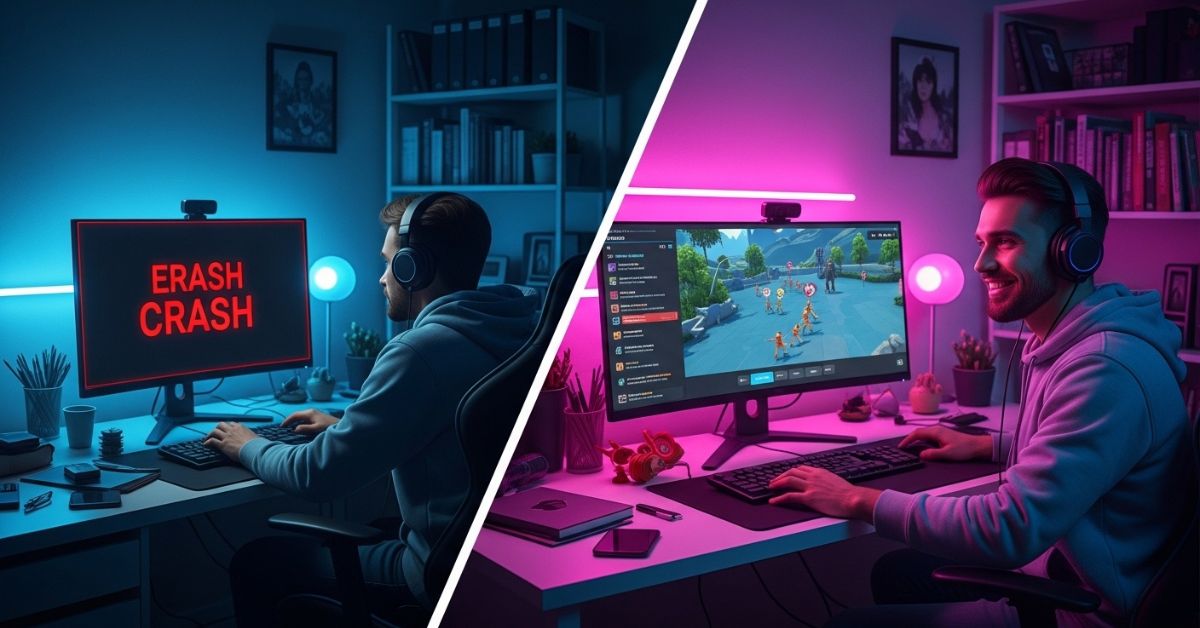
Do you feel stuck when your game mods crash for no reason? It is very sad to spend days coding only to see a dark screen. You might feel like you are not smart enough to make great games. Many people feel this way when they first start with strategy game tweaks. It is normal to feel lost when files look like a mess of letters.
I know the pain of a broken save file that will not load. It feels like you wasted your whole weekend on a dream. LCFModGeeks is a place where we solve these exact problems every day. We understand the stress of a unit that refuses to move right. This guide will show you how to fix these issues and build mods like a pro.
The Secret World of Game Data Files LFCModGeeks
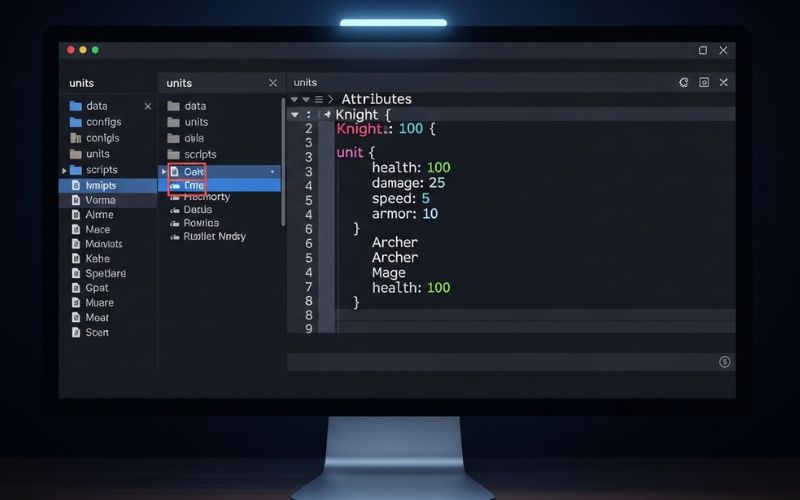
Every game has a brain made of data files. Most strategy games use simple text or code files to hold their rules. Experts do not just guess what these files do. They open them with clean text editors to see the logic. You can change how much a farm produces or how far a scout sees.
Understanding these files is the first step to being a master. You should look for folders named “data” or “configs.” Inside, you will find lists of numbers that control the whole world. If you change a 1 to a 10, your archers might become super strong. It is like having a magic wand for your favorite game.
Finding the Hidden Clues in Error Logs
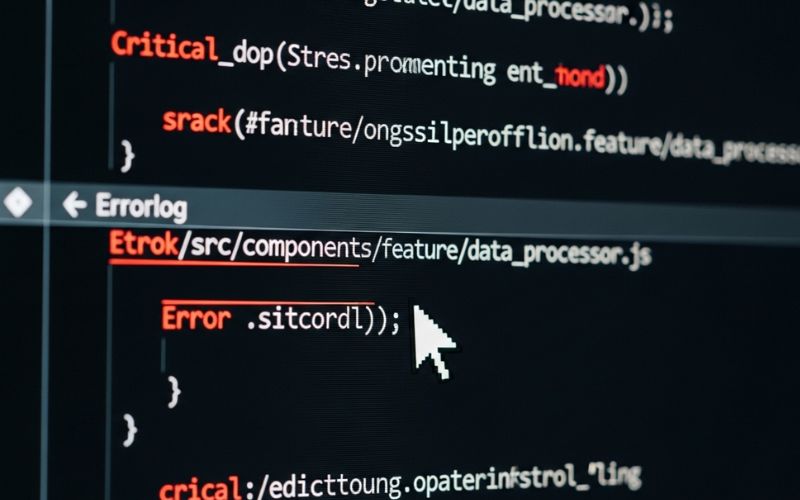
When a game stops working, it usually leaves a secret message. This message is kept in a file called an error log. Many new modders ignore these files because they look scary. But these logs are your best friend in the world of modding. They tell you exactly which line of code is broken.
You must learn to read the “stack trace” at the end. It points to a specific folder and a specific file. Sometimes a simple typo like a missing bracket causes the whole crash. Experts save hours of time by checking the log first. It turns a guessing game into a clear path to a fix.
Balancing Your Custom Units for Fair Play
It is tempting to make a giant dragon that kills everything. But a mod with no challenge becomes boring very fast. Professional modders focus on a concept called unit symmetry. This means every powerful unit must have a cost or a counter. If a unit is fast, it should have very thin armor.
You can use math to see if your units are fair. Compare the cost of a unit to how much damage it does. If a cheap unit beats an expensive one, your balance is off. Testing your units in AI battles is a great way to see the truth. Watch the computer play and see which side wins too often.
Advanced Terrain Editing for Better Strategy
A flat map is a boring map for any strategy fan. Players want to use the land to help them win. You can create choke points where a small army can hold off a large one. This makes the game feel much more like a real war. Use hills to give units a sight bonus over the trees.
Experts use “height maps” to make their terrain look real. These are special images where white is high and black is low. By editing these, you can make smooth mountains and deep valleys. Always think about where the player will build their first city. Give them enough flat land to grow but keep some resources far away.
Managing Mod Dependencies Without the Headache
Sometimes your mod needs another mod to work right. This is called a dependency, and it can be very tricky. If the other mod updates, your mod might break. Experts handle this by listing the exact version they need. They also write clear notes for the players so they know what to install.
You should use a mod manager to keep your files organized. This tool keeps your custom files separate from the original game files. It makes it easy to turn your mod on or off. If the game breaks, you can disable things one by one. This helps you find the problem without deleting all your hard work.
Writing Clean Code for Long Term Success
Messy code is the biggest enemy of a long-term mod project. If you come back to your work after a month, you might not understand it. Pros use “comments” to explain what each part of the code does. A comment is a note that the game ignores but you can read. It is like leaving breadcrumbs for your future self.
Use names for your variables that actually make sense. Do not just name a unit “u1” because it is fast to type. Name it “archer_heavy_elite” so you know exactly what it is. This keeps your files organized and easy for others to help you. Clean files lead to stable games and happy players.
The Art of Scripting Custom Game Events
Events make a strategy game feel alive and moving. You can script a message that pops up when a player finds a ruin. Or you can make a new enemy appear after ten turns. This is done through “scripting,” which is like writing a play for the game. You tell the game: “If this happens, then do that.”
Start with simple “if-then” logic to avoid making mistakes. For example, if the player has 100 gold, then spawn a trader. This adds layers of fun that a standard map cannot give. It keeps the player guessing what will happen next. This is how you turn a simple map into a full story.
Optimizing Art Assets for Faster Loading
High-quality images can make a game look amazing. But if they are too big, the game will lag or crash. Experts compress their textures so they look good but stay small. They use formats like DDS or PNG that games can read quickly. This keeps the frame rate high even during big battles.
Always check the size of your 3D models and textures. If a soldier has more detail than a whole city, you have a problem. Keep the detail where the player looks the most. Background trees should be very simple to save memory. This allows more units to be on the screen at the same time.
Collaborating with Other Modders Safely
You do not have to do everything yourself in this hobby. Many experts at LCFModGeeks work in teams to finish big projects. One person might do the art while another writes the code. This makes the work go faster and results in a better mod. It also makes the process more social and fun.
Use version control tools to keep track of everyone’s changes. This prevents two people from overwriting each other’s work. It also allows you to go back to an older version if a new idea fails. Sharing the load makes big “Total Overhaul” mods possible. It turns a lonely hobby into a community effort.
How to Test Your Mod Like a Professional
Testing is more than just playing the game for five minutes. You must try to “break” your own work on purpose. Try clicking buttons in the wrong order or building too many units. See what happens when the player runs out of resources. This helps you find bugs before your players do.
Ask a few friends to try a “beta” version of your mod. They will find things that you missed because you are too close to it. Listen to their feedback even if it is hard to hear. If they say a mission is too hard, it probably is. Fixing these issues early builds trust with your community.
Customizing the User Interface for Clarity
The User Interface or UI is how the player talks to the game. If the buttons are too small, players will get frustrated. Experts redesign the UI to make important info easy to see. You can move the resource bar or make the map bigger. A clean UI makes a complex strategy game feel easy to play.
Make sure your fonts are easy to read on all screen sizes. Some players use small monitors while others use huge TVs. Use colors that stand out against the background of the game. If the text is white, put a dark shadow behind it. This small trick makes your mod look much more professional.
Solving Logic Loops in Scripting
A logic loop is when the game gets stuck doing the same thing forever. This usually happens when a script keeps triggering itself. It will make the game freeze or run very slowly. To fix this, experts use “flags” to tell the game a script has already run. Once the flag is set, the game moves on to the next task.
Always check your loops to make sure they have an “exit” point. If you tell the game to count to infinity, it will try and fail. Give every script a clear start and a clear end. This keeps the game engine running smoothly and prevents memory leaks. It is the hallmark of a high-quality modification.
Adding Custom Sound Effects and Music
Sound is half of the experience in a video game. The clank of swords or the whistle of arrows adds weight to the action. You can add your own sounds to give your mod a unique feel. Use free sound libraries or record your own to avoid copyright issues. Keep the files in a format like OGG to save space.
Balance the volume so the music does not drown out the alerts. Players need to hear when they are being attacked. Subtle ambient sounds like wind or birds make the world feel real. It fills the “white space” of the game’s audio. This level of detail is what separates experts from casual modders.
Documenting Your Mod for the Public
Even the best mod is useless if no one knows how to use it. Experts write “Readme” files that explain how to install the mod. They list all the new features and any known bugs. This prevents the same questions from being asked over and over. It shows that you care about the player’s experience.
Include a “How to Play” section if you changed the core rules. If archers now cost wood instead of gold, tell the player early. Use clear headings and bullet points in your documentation. A well-documented mod gets more downloads and better reviews. It establishes you as an authority in the modding scene.
You May Also Like: Exclusive Information About Foxtpax Software Revealed
Handling Mod Updates and Patching
Games update all the time, and these updates often break mods. Experts stay ahead by checking the “dev notes” from the game creators. They update their code as soon as a new patch is released. This keeps the mod working for everyone without a long wait. It shows you are dedicated to your project.
Keep an older version of your mod available for players who do not update. This is a nice gesture that many people appreciate. When you release a new version, list the changes clearly. Use “Version 1.1” or “Version 1.2” so players know they have the latest one. Consistent updates are the key to a long-lasting mod community.
Common Questions About Modding Strategy Games
How do I start modding if I have zero coding skills?
You should start by changing simple text files in the game folder. Look for values like “Health” or “Speed” and change them slightly. This teaches you how the files are structured without needing to write code. Many strategy games are designed to be edited this way. It is a safe and easy way to see immediate results in your game.
Why does my game crash as soon as I load a lcfmodgeeks?
A crash usually means there is a typo or a missing file in your folder. The game is looking for something it cannot find, so it gives up. Check your error logs to see exactly which file is causing the trouble. Most of the time, it is a small mistake like a missing comma. Fixing these small errors will get your game running again quickly.
Can I get banned for using mods in strategy games?
Most single-player strategy games fully support modding and will not ban you. Developers often provide tools to help you make your own content. However, you should never use mods in competitive online matches unless they are allowed. Always check the game’s rules before playing with others. Modding is about creativity and should be kept to fair environments.
Where can I find help when I am stuck on a problem?
The community at LCFModGeeks is one of the best places for support. You can post your code and ask for others to look at it. There are also many forums and Discord groups dedicated to specific games. Do not be afraid to ask questions, as everyone was a beginner once. Most modders are happy to help someone who is trying to learn.
How much time does it take to make a full mod?
A small tweak can take ten minutes, while a big overhaul can take years. It all depends on how much you want to change in the game. Start with small goals so you do not get overwhelmed and quit. Finish one new unit or one new map before moving to the next thing. This keeps you motivated and helps you finish your project.
Disclaimer:
This article is for informational purposes only. The tips provided are based on community experience and technical research within the game modding niche. While we strive for accuracy, modding involves changing core game files which carries a risk of software instability or data loss. LCFModGeeks is not responsible for any damage to your hardware or software. Always back up your original game files before applying any advanced tricks or custom scripts.

Joseph Quinn is a writer and digital creator best known as the founder of FreakBobTime. With years of blogging experience, he blends technology, culture, and internet humor into unique stories and creative experiments. Through his work, Joseph brings back the playful, weird side of the web while making content that connects with readers worldwide.