
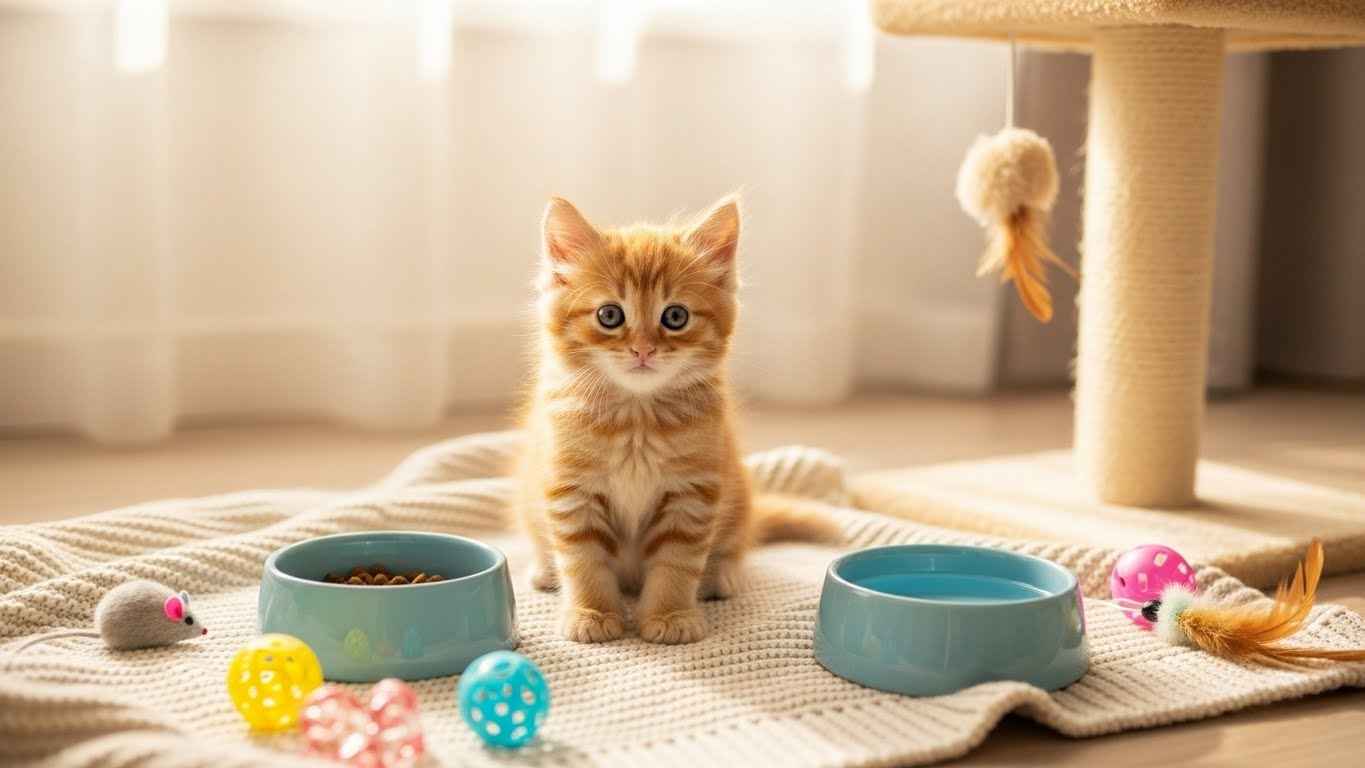
Bringing a tiny kitten into your home changes your life forever. These small balls of fur bring joy, laughter, and a little bit of mess. However, a kitten is also a big responsibility that requires the right knowledge. This infoguide for kittens llblogpet explains exactly how to care for your new friend. You will learn how to feed them, keep them safe, and help them grow into a loving adult cat.
Kittens are very different from older cats. They have more energy and need special nutrients to build strong bones. Their brains are like sponges, soaking up everything they see and hear. If you start with a good plan, you can avoid common mistakes that many owners make. This guide uses simple steps to make sure your kitten feels loved and secure from the very first day.
Getting Your Home Ready for a New Guest
Before the kitten steps through your door, you must look at your house through their eyes. A kitten is small and very curious about everything. They will try to squeeze into tiny gaps or chew on things they find on the floor. Preparing your space early prevents accidents and helps the kitten feel less scared in a new place.
Start by choosing one quiet room as a “home base.” This room should have a door you can close. Putting a kitten in a huge house right away can make them feel lost. In this room, place their bed, some water, and a small litter box. Giving them a smaller space at first helps them learn where their things are. Once they are brave and using the litter box well, you can let them see the rest of the house.
Safety is the most important part of getting ready. Look for loose wires from lamps or computers. Kittens love to bite wires because they feel good on their teeth, but this is very dangerous. You can hide wires behind furniture or use plastic covers. Also, check your houseplants. Some flowers, like lilies, can make a kitten very sick if they take even one bite. Move all plants to high shelves where tiny paws cannot reach them.
Feeding Your Growing Kitten
Food is the fuel that helps your kitten play and grow. A kitten’s stomach is very small, about the size of a walnut. Because of this, they cannot eat a lot at one time. They need to eat small meals many times throughout the day. This keeps their energy levels steady so they do not get tired or cranky.
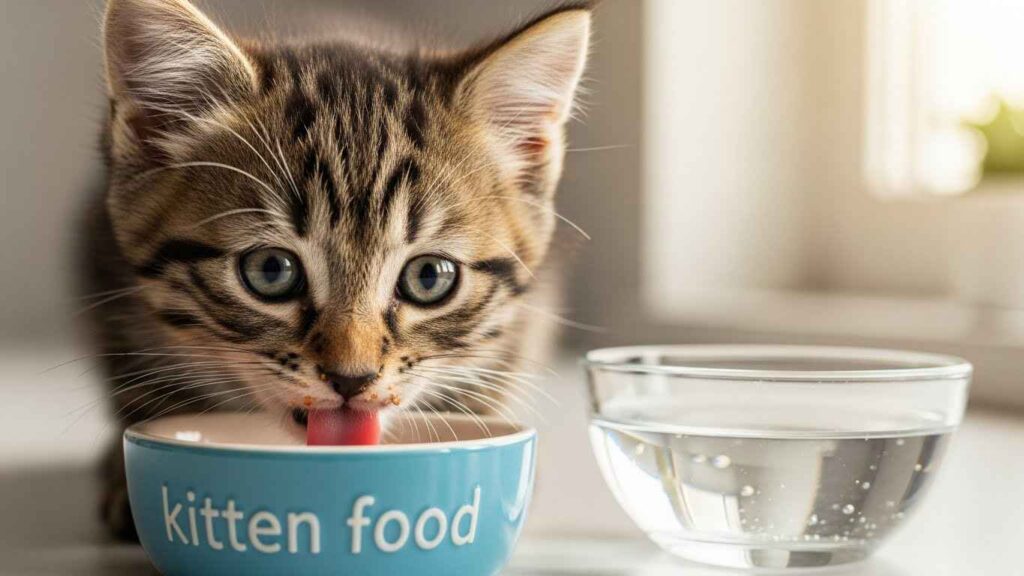
The type of food you choose matters a lot. Always look for bags or cans that say “Kitten” on the front. Kitten food has more protein and healthy fats than adult cat food. It also has extra vitamins that help their eyes and brains work better. If you give a kitten adult food, they might stay small or get weak bones. Stick to kitten-specific food until they reach their first birthday.
Water is just as important as food. Kittens can get thirsty fast, especially if they eat dry kibble. Use a shallow bowl so they can reach the water without getting their chest wet. Change the water every morning and night to keep it fresh. Some kittens like moving water, so a small pet fountain can be a fun way to keep them drinking. Never give a kitten cow’s milk from the fridge. Most kittens get a stomach ache from milk.
Mastering the Litter Box
Most kittens learn to use a litter box very quickly. It is a natural instinct for them to hide their waste in sand or dirt. Your job is to make the process easy and stress-free. Pick a box with low sides so their short legs can climb in and out easily. If the box is too tall, the kitten might decide it is easier to go on the rug.
Location is the secret to litter box success. Place the box in a quiet corner where nobody will walk by and scare them. Do not put it near loud machines like a washing machine or a vacuum. If the kitten gets scared while using the box, they might stop using it entirely. Keep the box away from their food and water bowls. Just like humans, cats do not like to eat where they use the bathroom.
Cleaning the box is a daily task. You should scoop out the mess at least once or twice a day. Kittens have a very strong sense of smell. If the box smells bad to you, it smells much worse to them. A dirty box is the number one reason kittens start having accidents on the floor. Once a week, wash the whole box with mild soap and put in fresh litter. Avoid using litters with strong perfumes, as these can hurt a kitten’s sensitive nose.
Healthcare and the First Vet Visit
A healthy kitten is a happy kitten. Even if your new pet looks fine, they need to see a doctor for animals, called a vet. The vet will check their heart, ears, and tummy to make sure everything is working right. This first visit is also when they get their shots. These shots protect them from tiny germs that can make cats very sick.
Worms and bugs are common in young kittens. Many kittens are born with tiny worms in their bellies that steal their food. The vet can give them a safe medicine to get rid of these visitors. You should also talk to the vet about flea medicine. Even if your kitten stays inside, fleas can hitch a ride on your clothes and jump on your pet. Regular medicine keeps their skin from getting itchy and red.
Watch your kitten closely for any changes in how they act. If a kitten stops eating or sleeps all day and night, something might be wrong. Healthy kittens are usually very busy and want to play. If they start sneezing a lot or have runny eyes, they might have a cold. It is always better to call the vet early rather than waiting. Taking care of small problems quickly keeps them from becoming big problems later.
Socialization and Learning Good Manners
Socialization is a big word that just means teaching your kitten how to be a friend. The first few months of life are the best time for them to learn. You want your kitten to be brave when people come over. To do this, let them meet different people slowly. Let the person sit on the floor and wait for the kitten to come to them. This teaches the kitten that humans are kind and safe.
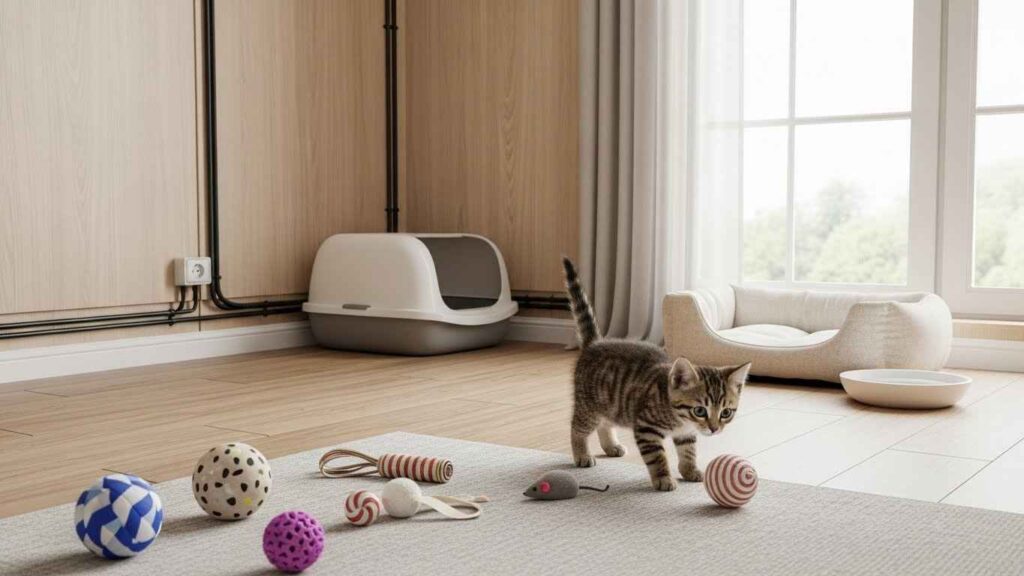
Playtime is the best way to bond with your kitten. Use toys like feathers on a string or small balls. Never use your bare hands to play with a kitten. If you let them bite your fingers when they are small, they will think it is okay to bite when they are big cats with sharp teeth. If the kitten bites your hand, say “No” gently and give them a toy to chew on instead. This redirects their energy to the right place.
Kittens also need to get used to being touched. Gently touch their paws, look inside their ears, and brush their fur. Doing this while they are young makes it easier to clip their nails or clean their teeth when they are older. If they get used to you touching their feet, they won’t be scared when it is time for a nail trim. Keep these sessions short and give them a small treat afterward so they enjoy the experience.
Grooming for a Shiny Coat
Even though cats clean themselves with their tongues, they still need your help. Brushing your kitten once or twice a week is very helpful. It removes loose hair so it does not end up on your couch. It also stops hairballs, which happen when a cat swallows too much fur while licking themselves. Short-haired kittens only need a quick brush, but long-haired kittens need more attention to keep their fur from getting tangled.
Bathing a kitten is usually not necessary. Cats are very good at staying clean. However, if they get into something sticky or smelly, you might need to give them a wash. Use only special cat shampoo from a pet store. Human shampoo can dry out their skin and make them itchy. Use warm water, not hot, and keep the soap away from their eyes and ears. Dry them off quickly with a soft towel so they do not get a chill.
Nail care is a part of grooming that saves your furniture. Kitten claws grow very fast and are as sharp as needles. You can use a small clipper made for cats to snip just the very tip of the nail. Be careful not to cut the pink part inside the nail, as that can hurt. If you are nervous, ask your vet to show you how to do it the first time. Providing a scratching post also helps them keep their nails healthy on their own.
Understanding How Kittens Speak
Kittens cannot talk with words, but they talk with their bodies. If you watch their tail and ears, you will know exactly how they feel. A happy kitten walks with its tail straight up in the air. This is like a friendly wave. If the tail is tucked between their legs, they are feeling scared or shy. A wagging tail in a cat usually means they are annoyed or getting ready to pounce on a toy.
Purring is the most famous way kittens speak. Most of the time, a purr means the kitten is happy and relaxed. They might purr while you pet them or while they are eating. Kneading is another funny behavior. This is when a kitten pushes their paws in and out on a soft blanket or your lap. It is a sign of great comfort. They did this with their mothers when they were very tiny babies to get milk.
Sometimes, a kitten might puff up their fur and arch their back. This makes them look bigger and is a sign that they are startled. If this happens, give them space to calm down. Ears are also big clues. If the ears are pointing forward, the kitten is interested in something. If the ears are flat against their head, they are angry or very afraid. Learning these signs helps you understand your friend’s feelings without a single sound.
The Importance of Safe Play and Toys
Play is not just for fun; it is how kittens exercise their bodies and brains. In the wild, cats are hunters. Your kitten uses play to practice hunting skills like stalking, pouncing, and catching. Providing different types of toys keeps them from getting bored. Bored kittens are more likely to get into trouble, like climbing your curtains or knocking things off tables.
Interactive toys are the best for bonding. These are toys that you move, like a wand with a bell. This mimics the movement of a bird or a bug. It gets the kitten running and jumping, which is great for their muscles. Solo toys are things they can play with while you are busy. Small catnip mice or balls with bells inside are perfect for this. Make sure the toys are sturdy and do not have small parts that can be swallowed.
Puzzle feeders are a smart way to keep a kitten’s brain busy. These are toys that hide food inside. The kitten has to figure out how to move the toy to get the treat out. This slows down their eating and gives them a job to do. It is very satisfying for a kitten to work for their food. Mental exercise is just as tiring as physical exercise, helping them sleep better at night.
Creating a Sleep Routine
Kittens sleep a lot, sometimes up to 20 hours a day. They need this sleep because their bodies are working hard to grow. While they are sleeping, their brains are processing everything they learned during the day. It is important to let a sleeping kitten rest. Tell children not to wake the kitten up to play, as this can make the kitten grumpy or stressed.
A soft, warm bed is essential. You do not need an expensive bed; a box with a soft fleece blanket works just fine. Place the bed in a draft-free area where they feel safe. Some kittens like cave beds that are covered on the top. This makes them feel hidden and secure from predators. If your kitten likes to sleep with you, that is okay, but be careful not to roll over on them while they are still very small.
Kittens are often most active at dawn and dusk. This is their natural time to hunt. If your kitten keeps you awake at night with the zoomies, try a big play session right before you go to bed. Follow the play session with a small meal. In the wild, cats hunt, eat, and then sleep. Doing this in your home helps the kitten settle down for a long night of rest while you sleep too.
Introducing Your Kitten to Other Pets
If you already have a dog or another cat, the first meeting is very important. You want everyone to be friends, but you must move slowly. Never just drop a new kitten in front of an older pet. This can cause a fight or make the kitten terrified. Keep them in separate rooms for the first few days. Let them sniff each other’s scents under the door first.
After a few days of sniffing, you can let them see each other through a baby gate. This allows them to look without touching. If everyone stays calm, you can move to a supervised meeting. Keep the dog on a leash so they do not chase the kitten. Give both animals treats so they associate the new friend with something good. If anyone gets angry or scared, go back a step and try again the next day.
Be patient with the older pets. They might feel a little jealous of the new arrival. Make sure you still spend plenty of one-on-one time with your original pets. Give the kitten a high place to climb where the dog cannot reach them. This escape route makes the kitten feel much more confident. Most pets will eventually learn to live together in peace, and many become the best of friends.
Transitioning to Adulthood
The first year goes by very fast. Around six months old, your kitten will start looking more like an adult cat. This is the time to talk to your vet about “fixing” your pet. Spaying or neutering prevents unwanted kittens and can make your cat stay closer to home. It also reduces the chance of certain health problems and stops some bad behaviors like spraying or loud crying at night.
When your kitten reaches one year old, it is time to change their food. Adult cats do not need as many calories as growing kittens. Slowly mix adult food into their kitten food over a week. This prevents an upset stomach. You might also notice they sleep a bit more and play a bit less, but they still need daily interaction to stay healthy and happy.
Even as an adult, your cat will appreciate the routines you started in this infoguide for kittens llblogpet. Keep up with the regular vet visits and the daily play sessions. The bond you built during those first few months will last for many years. A well-cared-for cat can live for 15 to 20 years, providing you with a lifetime of companionship and love.
You May Also Like: dn06lnh Guide: Powerful Facts, Meaning and Why It Matters
Final Thoughts for New Owners
Raising a kitten is a journey that requires patience and a gentle heart. By following this infoguide for kittens llblogpet, you have the tools to give your pet a great start. Remember that every kitten is different. Some will be cuddly right away, while others might be a bit shy. Give them time to trust you, and never use loud voices or physical punishment.
Focus on the basics: good food, a clean litter box, and lots of safe play. Watch their health and keep up with their vet visits. If you provide a stable and loving home, your kitten will reward you with purrs, head-bumps, and loyal friendship for many years to come. Enjoy every moment of their kittenhood, as they grow up faster than you think.
Common Questions About Kitten Care
How often should I take my kitten to the vet?
During the first year, your kitten will need to visit the vet about three or four times. These visits are for their basic shots and checkups. After they are one year old, once a year is usually enough for a healthy cat.
Why is my kitten biting my feet?
Kittens love moving things. Your feet moving under a blanket look like prey to them. It is a natural hunting game. To stop it, don’t move your feet when they bite. Instead, throw a toy away from you to give them something else to hunt.
Can I leave my kitten alone while I go to work?
Young kittens should not be left alone for more than a few hours. They can get into trouble or get scared. If you must work, make sure they are in a very safe, “kitten-proofed” room with food, water, and toys.
What should I do if my kitten stops using the litter box?
First, make sure the box is clean. If it is clean, the box might be in a place that is too loud. If you move the box and they still have accidents, call your vet. Sometimes a kitten has a tiny infection that needs medicine.
When do kittens stop being so crazy?
Most kittens start to calm down after they are one year old. However, some cats stay very playful until they are three or four. Enjoy the high energy while it lasts, as these times make the best memories.
Disclaimer
This article is for informational purposes only and does not replace professional veterinary advice. Always consult a qualified veterinarian for your kitten’s health and care needs.

Joseph Quinn is a writer and digital creator best known as the founder of FreakBobTime. With years of blogging experience, he blends technology, culture, and internet humor into unique stories and creative experiments. Through his work, Joseph brings back the playful, weird side of the web while making content that connects with readers worldwide.