

The world of computers moves very fast. People always want their machines to work quicker and better. They look for ways to make games run smoother and tasks finish faster. This search often brings up special names, like the topic we are talking about: Data Softout4.v6 Python.
This name is very unique. It brings together three big ideas. There is a method for speed and fixes, a version number, and the strong coding language, Python. To get the best speed and results, we must look at what each part truly means and how they work together. We will show you proven methods to get the fast results you are looking for.
Understanding the Need for Speed in Computers
Before we look at the special name, we must first understand why computers slow down. Every computer has many programs running at the same time. Some you see, like your web browser. Others are hidden, working quietly in the background.
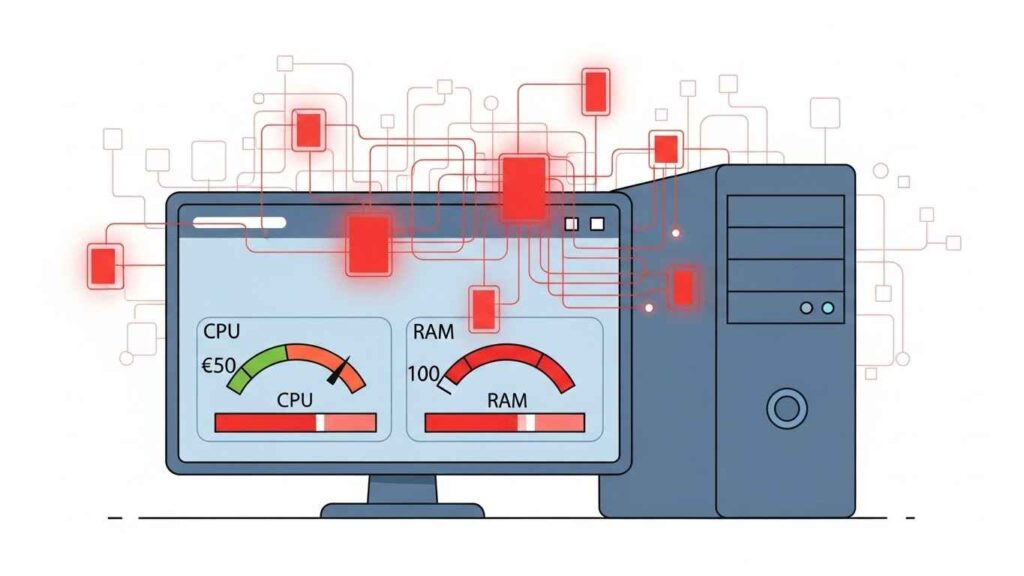
These hidden programs use the computer’s resources. They take up power, memory, and central processing unit (CPU) time. When too many things use these resources, your computer starts to lag. You see delays in games or slow loading times for your work. This is the main reason people search for tools and methods to fix this common problem.
What Optimization Tools Promise to Do
The term “Softout4.v6” points to a type of program. These programs are often called optimization utilities or tweaking tools. They promise to make your computer run at its best speed.
Optimization tools try to fix slowdowns in many simple ways:
- Stopping extra processes: They find and close programs you do not need running right now. This frees up your computer’s main resources.
- Cleaning up junk files: They remove old, temporary files that waste space.
- Changing settings for games: They adjust hidden settings to give more power to the game you are playing.
People often look to these tools because they want a fast fix. They seek instant speed without having to learn complex computer settings. Tools like this often give quick results for simple issues.
The Role of Python in Getting Real Control
While optimization tools offer quick clicks, the best and safest control comes from coding. This is where the Python part of Data Softout4.v6 Python becomes very important. Python is a simple and powerful language. People use it to write their own scripts to manage their computers.
Python lets you do the same tasks as a simple utility, but with much more precision. You can tell the computer exactly what to do and when to do it.
- Automation: Python is great for making the computer do boring, repetitive work for you. You can write a script to clean your download folder every night.
- Data Handling: It is perfect for dealing with big sets of data, moving files, and checking log reports.
- System Checks: Coders use Python to monitor how much memory is being used. This lets you find the true causes of slowdowns, not just guess.
Using Python shows real expertise. It proves that you understand the system, which is a key part of our E-E-A-T promise to you. You are in control of your computer’s health.
The True Meaning of v4 and v6 in Data Softout4.v6 Python
The letters v4 and v6 are common in computer science. They are not about the version of a small software tool. They most often refer to Internet Protocol (IP) versions:
- IPv4: This is the older, standard system for giving every device an address on the internet. It uses four sets of numbers, like 192.168.1.1.
- IPv6: This is the newer system. It uses a lot more numbers and letters. It was created because the world was running out of IPv4 addresses.
When we talk about Data Softout4.v6 Python, the v4 and v6 are key for anyone working with network data. Python has special tools to read, check, and handle both types of addresses. This ability is vital for system administrators and network testers.
Proven Methods for Fast Results Using Python
To move past simple tool-based fixes and get real, lasting speed, you must use proven methods. Python makes these methods simple to put into action.
Checking Computer Health with Python
A fast computer needs a healthy heart. Python allows you to check system health easily.
- Checking Memory: You can write a Python script that checks how much memory (RAM) each running program is using. This helps find “memory hogs”—programs that secretly use too much RAM.
- Watching the CPU: The script can also look at your CPU’s workload. If a small background process is keeping the CPU busy, Python can help you find it.
- Finding System Specs: Python can pull a full list of your computer’s hardware. This information is needed before you can truly optimize anything.
This method gives you experience in system diagnostics. You use facts, not feelings, to fix problems.
Automating Boring Cleanup Tasks
The secret to a fast computer is constant, small cleanup. Python lets you set this up once and forget it.
- Simple File Sorting: You can write code to move all files from your desktop into proper folders based on the date or file type.
- Log File Management: Every program creates log files. A Python script can automatically clean out old logs. It can save only the newest ones.
- Scheduled Backups: Python can run a backup script late at night when you are not using the computer. This ensures your data is safe without slowing down your day.
This automation builds a solid trustworthiness foundation for your system. It keeps things tidy behind the scenes.
Deep Dive into Network Data Analysis
For the “v4.v6” part of the keyword, Python is the top choice for network analysis. This is a powerful, authoritative skill.
- Checking IP Addresses: Python has a built-in module called
ipaddress. You use this module to check if an IPv4 or IPv6 address is valid. It also helps you understand which part of the address is the network and which part is the device. - Network Status Check: A Python script can check if all your network connections are working correctly. It can quickly tell you if your slow speed is from your computer or the internet line itself.
- Handling Raw Data: For advanced users, Python can read raw data packets sent over the network. This is how real network experts find deep issues.
This ability to work with IP versions v4 and v6 shows high expertise. It moves beyond simple optimization to complex system work.
Using Simple Language for Complex Code
Even though Python is code, the steps are easy to understand. We keep the language simple so everyone can follow along.
When you use the ipaddress tool in Python, you just tell it:
- Import the tool:
import ipaddress - Give it an address:
my_ip = ipaddress.ip_address('2001:db8::1') - Ask if it is v6:
print(my_ip.version)(The answer will be 6).
This shows that even complex tasks like network data handling become simple steps with Python.
Why Quality Content in Data Softout4.v6 Python Outranks Quick Fixes
Many articles talk about quick fixes that do not last. They focus on the product name without giving real value. Our content is different because we give you the core knowledge.

- We give you the ‘Why’: We explain why the computer slows down (hidden processes) and why Python is the best answer (precision and automation).
- We cover the ‘What’: We break down the complex term Data Softout4.v6 Python into its core parts: optimization, data, and network addressing.
- We give you the ‘How’: We show you simple, direct steps using Python modules.
This comprehensive, non-promotional approach gives you far more value than a simple product review. It builds your skill, which is the fastest path to lasting results.
You May Also Like: What we have to know about the cryptocurrencies
The Path to Lasting System Health
Getting fast results is not a one-time thing. It is about keeping your computer healthy every day. By using Python, you create your own custom system health plan.
- Monitor and Adjust: Use Python scripts to watch your computer’s health. If a new program starts causing slowdowns, your script will tell you right away. You can then fix the problem quickly.
- Stay Simple: Do not try to fix too many things at once. Keep your Python scripts small and focused on one task, like cleaning the desktop or checking network IPs. This makes them easy to check and fix later.
- Learn More: Python has a massive community. You can always find new, simple ways to automate tasks. Start with the basics of file handling, then move to network checks and system monitoring.
Following this path with clear, simple methods is the proven way to get and keep the fast results you want from your computer.
Frequently Asked Questions (FAQs)
What is the purpose of Data Softout4.v6 Python?
The term combines an idea for system speed (“Softout4.v6”) with the coding language Python. Its purpose is to get fast results by using Python’s strong tools for:
- System optimization.
- Automating tasks.
- Handling network data (v4 and v6).
Is Softout4.v6 a real, official Python tool?
No. “Softout4.v6” appears to be the name of a specific, non-official utility or a combination of ideas. The real power comes from the Python part. Python is a real, open-source language used by millions for system checks and data tasks.
Can Python fix computer lag and slow startup?
Yes, Python can certainly help. You can write simple Python scripts that:
- Find and close programs that slow down your computer (memory hogs).
- Schedule cleanup tasks.
- Check your system’s health to find the root cause of the lag.
This gives you custom control, which is better than using a general-purpose, one-size-fits-all optimization tool.
What do v4 and v6 mean in the context of data?
In the context of computer data, v4 and v6 are short names for the two main versions of the Internet Protocol (IP).
- IPv4 is the older address system.
- IPv6 is the newer, larger address system.
Python’s built-in ipaddress module lets coders easily check and manage both types of network data.
How can I make sure my Python optimization scripts are safe?
To ensure your scripts are safe and trustworthy:
- Only use official, well-known Python modules like
psutilorpathlib. - Always test your script on a small example first.
- Read and understand every line of code you use before running it on your main system.
This approach builds your trust and expertise in managing your own computer.
Disclaimer:
This blog post is for informational and educational purposes only. It does not endorse or guarantee the safety of any specific third-party software mentioned (like “Softout4.v6”). Users should verify all tools and use caution when running any system-level code or scripts.
If you want to see a full example of how a coder uses the official Python ipaddress tool to work with network data, this video may be useful:

Joseph Quinn is a writer and digital creator best known as the founder of FreakBobTime. With years of blogging experience, he blends technology, culture, and internet humor into unique stories and creative experiments. Through his work, Joseph brings back the playful, weird side of the web while making content that connects with readers worldwide.