
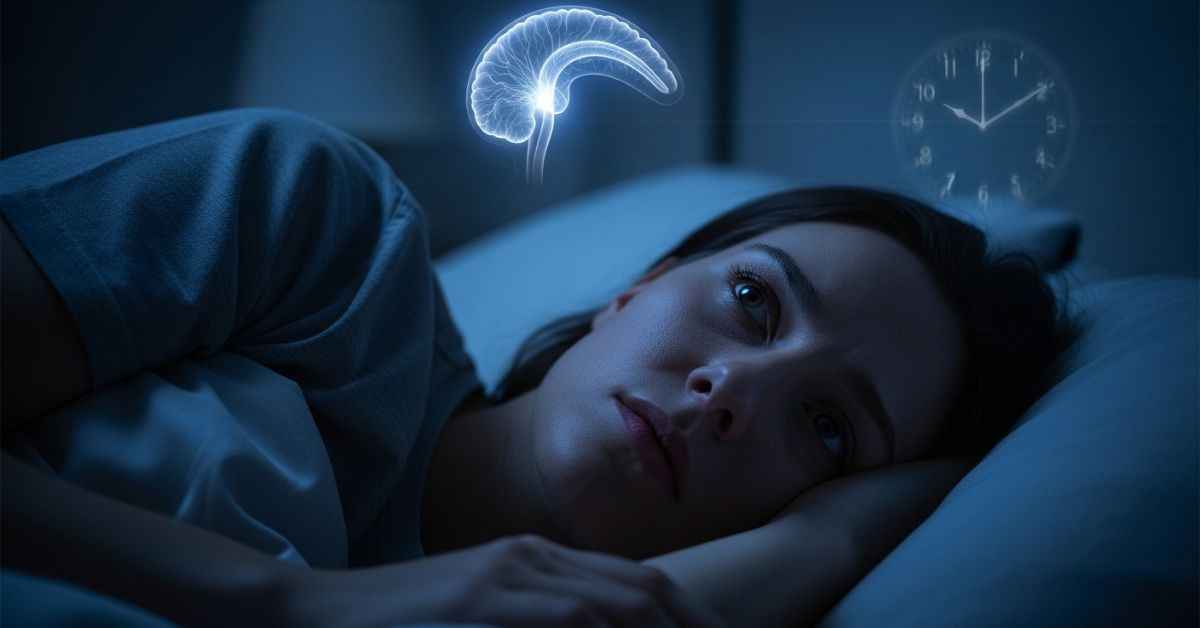
Discovering you have a brain aneurysm can feel like your world has stopped. You might feel a heavy weight of worry every single day. If your doctor used the specific term boomerang aneurysm, you likely have many questions that feel urgent. You might wonder if this curved shape is more dangerous than a round one. You may feel rushed to make a big medical choice. This guide is here to help you understand your brain health with zero confusion. We will look at why these shapes happen and how you can stay safe and calm.
What Exactly is a Boomerang Aneurysm?
A boomerang aneurysm is a way doctors describe the physical look of a bulge in a blood vessel. In the medical world, most aneurysms are “saccular,” which means they look like a small berry. While many are perfectly round, some grow in a curved or bent way. This bend gives them the appearance of a boomerang on a medical scan like an MRI or a CT scan.
This shape usually happens because of where the aneurysm is sitting. Your brain is a very crowded space. As a thin spot in a blood vessel wall starts to stretch out, it might hit a nearby bone or a different blood vessel. Because it cannot grow through these hard objects, it bends around them. Think of a garden hose that develops a bulge near a rock. The bulge will curve to fit the space it has.
Why the Shape Matters to Your Doctor
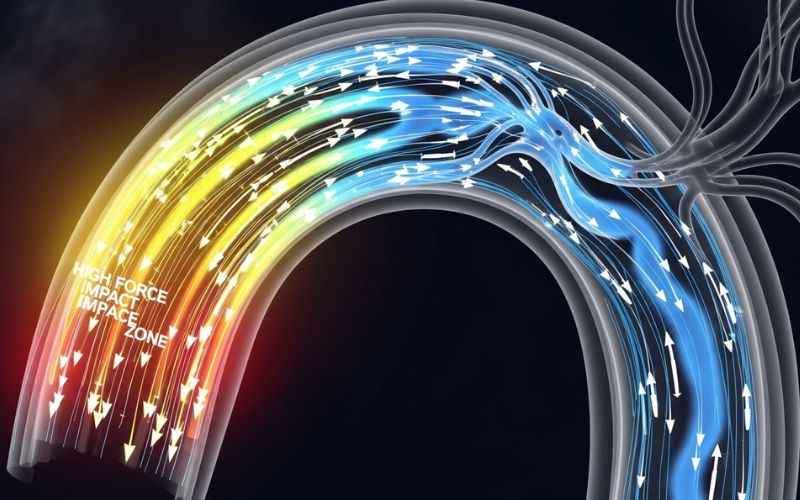
Your medical team looks at the shape because it changes how blood moves. When blood flows into a round sac, it swirls gently. In a curved or “boomerang” shape, the blood might hit the far wall of the bulge with more force. Doctors call this “wall shear stress.” By seeing the curve, your doctor can better guess which parts of the aneurysm wall are the thinnest and need the most care.
Common Struggles for People with This Diagnosis
When you get a diagnosis like this, the emotional weight is often harder than the physical symptoms. Many people feel a deep sense of “invisible” stress. You look fine on the outside, but on the inside, you feel like you are carrying a heavy secret.
Dealing with the “Waiting Game”
One of the biggest pain points is “watchful waiting.” This is when a doctor tells you the aneurysm is too small to operate on right now. It can feel like sitting next to a firecracker and waiting to see if it lights. This causes a lot of sleep loss and anxiety. Understanding that many people live their whole lives with these without any trouble is the first step toward finding peace.
The Fear of Physical Activity
Many people with a boomerang aneurysm become afraid to move. You might worry that lifting a heavy grocery bag or running for the bus will cause a problem. This fear can steal your quality of life. The truth is that normal, daily movement is usually very safe. Your doctor wants you to be healthy, and light exercise actually helps keep your blood pressure low.
Confusion Over Medical Words
Doctors use a lot of big words that can sound scary. Words like “morphology,” “hemodynamics,” and “bifurcation” can make your head spin. This confusion creates a barrier between you and your health. This article uses simple words so you can feel like an expert in your own care without needing a medical degree.
Why Do Aneurysms Take This Curved Shape?
Not every aneurysm looks the same. The “boomerang” look is often caused by the anatomy of your specific blood vessels. Some people have blood vessels that have more twists and turns than others. If an aneurysm forms at a sharp “Y” junction in an artery, it is very likely to follow the path of the branching vessels.
The Role of Blood Pressure
If your blood pressure is high, the force of the blood pushing against the weak spot is much stronger. This constant pressure can cause the aneurysm to grow faster or stretch in weird directions. If it hits a barrier while it is growing quickly, it will kink or bend. This is why keeping your blood pressure steady is the most important thing you can do at home.
Genetic Factors
Sometimes, the way your blood vessels are built is just part of your DNA. If your family has a history of thin vessel walls, you might be more likely to develop these shapes. Knowing your family history helps your doctor decide how often to check your scans to make sure nothing is changing.
Understanding the Risks of a Curved Shape
You might ask, “Is a boomerang shape more likely to burst?” The answer is not a simple yes or no. Doctors look at several factors together to decide how much risk you are in.
- The Size of the Bulge: Size is usually the biggest factor. A tiny 3mm boomerang aneurysm is often much safer than a large 10mm round one.
- The Location: Some spots in the brain have thicker vessel walls than others. If the curve is in a protected area, the risk is lower.
- The “Irregularity” Factor: Doctors worry more when an aneurysm has “blebs” or tiny extra bumps on it. A smooth boomerang shape is often seen as more stable than one with many small bumps.
How Doctors Watch a Boomerang Aneurysm
If your aneurysm is small, your doctor will likely suggest “monitoring.” This means you will go in for a scan every six months or once a year. This can feel scary, but it is actually a very safe way to manage your health.
Using Advanced Imaging
Today, doctors use 3D modeling to look at your boomerang aneurysm. They can take a picture from your scan and turn it into a 3D map on a computer. This lets them see the curve from every angle. They can even simulate how blood flows through it. This high-tech tool helps them catch any tiny changes before they become a problem.
Checking for Growth
The main goal of monitoring is to see if the shape is changing. If a boomerang shape starts to get longer or wider, it might be time to discuss a procedure. If it stays exactly the same for years, it is a sign that the walls are stable and strong.
Treatment Options for Curved Aneurysms
If the time comes to treat the aneurysm, the curved shape will guide the surgeon’s hands. There are two main ways to fix the problem, and both have high success rates.
The Clipping Method
A surgeon performs a procedure to place a tiny metal clip at the base of the aneurysm. This clip stays there forever and stops blood from entering the bulge. For a boomerang aneurysm, the surgeon must find the perfect angle to place the clip so that it covers the entire curved opening. It is like putting a lid on a jar that is slightly tilted.
The Coiling and Stenting Method
This is a “minimally invasive” way to fix the bulge. A doctor uses a long, thin tube to reach the brain through a blood vessel in your leg or arm. They fill the aneurysm with tiny, soft platinum coils. Because the shape is curved, they might also use a “stent.” A stent is a tiny mesh tube that sits in the main blood vessel to keep the coils from falling out of the curved shape. This helps the blood bypass the weak spot entirely.
Daily Habits to Protect Your Brain Health
You have more power over your health than you might think. Even with a boomerang aneurysm, you can take steps to keep your body strong and reduce the stress on your blood vessels.
Managing Your Blood Pressure
High blood pressure is the number one enemy of an aneurysm. You should check your pressure often at home. Eating less salt and eating more fruits and vegetables can make a huge difference. If your doctor gives you blood pressure medicine, take it exactly as told. This keeps the “pressure” inside the boomerang shape low and steady.
Quitting Tobacco
Smoking is very hard on your arteries. It makes the walls of your blood vessels stiff and weak. If you smoke, the risk of an aneurysm growing or causing trouble goes up a lot. Quitting is the single best thing you can do to protect your brain. There are many tools to help you quit, so talk to your doctor about finding the one that works for you.
Watching Your Alcohol Intake
Heavy drinking can cause your blood pressure to spike suddenly. This “spike” puts a lot of stress on the curved walls of a boomerang aneurysm. Sticking to one drink or avoiding alcohol altogether is a great way to keep your heart and brain in sync.
When to Call for Help Immediately
It is very important to know the warning signs. While most people with this diagnosis never have an emergency, knowing the signs can save your life. If you feel any of these, call for emergency help right away.
- A Sudden “Thunderclap” Headache: This is a pain that feels like a bolt of lightning. People often say it is the “worst headache of my life.”
- Seeing Double or Blurred Vision: This happens if the aneurysm presses on a nerve that controls your eyes.
- Pain Above or Behind One Eye: This is a sharp, localized pain that does not go away with normal headache medicine.
- A Drooping Eyelid: If one eyelid suddenly sags and you cannot lift it, it is a sign of nerve pressure.
- Nausea and a Stiff Neck: If you have a bad headache and your neck feels very stiff, seek help fast.
The Importance of Mental Health Support
Living with a brain health issue is stressful. It is okay to feel sad, angry, or scared. Many people find that talking to a counselor or joining a support group helps them feel less alone.
Finding Your “New Normal”
At first, all you will think about is the boomerang aneurysm. But over time, you will learn to live with it. You will learn to enjoy your life again. By following your doctor’s plan and taking care of your body, you can move from a place of fear to a place of confidence. You are not just a patient; you are a person with a bright future.
Preparing for Your Doctor Visits
When you go to see your neurologist or surgeon, it is easy to forget what you wanted to ask. Being prepared will help you feel more in control.
- Bring a Friend or Family Member: Having a second pair of ears helps you remember what the doctor said.
- Write Down Your Questions: Ask about the size, the specific location, and why they chose the “watchful waiting” or “treatment” path.
- Ask for the Scan Pictures: Seeing the boomerang aneurysm for yourself can sometimes make it feel less mysterious and less scary.

You May Also Like: Use Blooginga com to Reach More People and Grow Your Website
Finding Peace of Mind
The most important thing to remember is that you are taking action. By reading this and learning about your health, you are already ahead of the curve. A boomerang aneurysm is a shape that your doctors are trained to handle. You have a team of experts, advanced technology, and your own healthy habits on your side. Focus on the things you can control—like your blood pressure and your stress levels—and let the doctors handle the technical side. You have the strength to manage this, and you are doing a great job.
Common Questions About Boomerang Aneurysms
Is a boomerang aneurysm a type of cancer?
No, it is not cancer. An aneurysm is a physical change in a blood vessel, like a bulge or a blister. It does not spread to other parts of the body. It is a structural issue, not a growth of bad cells.
Can a boomerang aneurysm go away on its own?
Aneurysms do not usually disappear without treatment. However, they can stay the same size for many years without causing any harm. The goal of medical care is to make sure they don’t grow or cause problems, not necessarily to make them vanish.
Should I stop drinking coffee?
In most cases, a cup of coffee is fine. However, too much caffeine can raise your heart rate and blood pressure temporarily. It is best to ask your doctor how much caffeine is safe for you based on your blood pressure readings.
Can I travel on an airplane with this diagnosis?
Most people with a small, stable boomerang aneurysm can fly safely. The air pressure in a plane is controlled. However, you should always check with your doctor before a long flight, especially if you have recently had surgery or a new diagnosis.
Will my children get aneurysms too?
While there can be a family link, it does not mean your children will definitely have one. If you have two or more close relatives with aneurysms, your doctor might suggest that your family members get a one-time screening scan when they are adults.
Disclaimer:
This article provides general information about brain health and is for educational purposes only. It is not a substitute for professional medical advice, diagnosis, or treatment. Always seek the advice of your physician or a qualified neurosurgeon with any questions regarding a medical condition. Never disregard professional medical advice or delay seeking it because of something you have read here. If you think you may have a medical emergency, call your doctor or 911 immediately.

Joseph Quinn is a writer and digital creator best known as the founder of FreakBobTime. With years of blogging experience, he blends technology, culture, and internet humor into unique stories and creative experiments. Through his work, Joseph brings back the playful, weird side of the web while making content that connects with readers worldwide.